



BLOGS
-
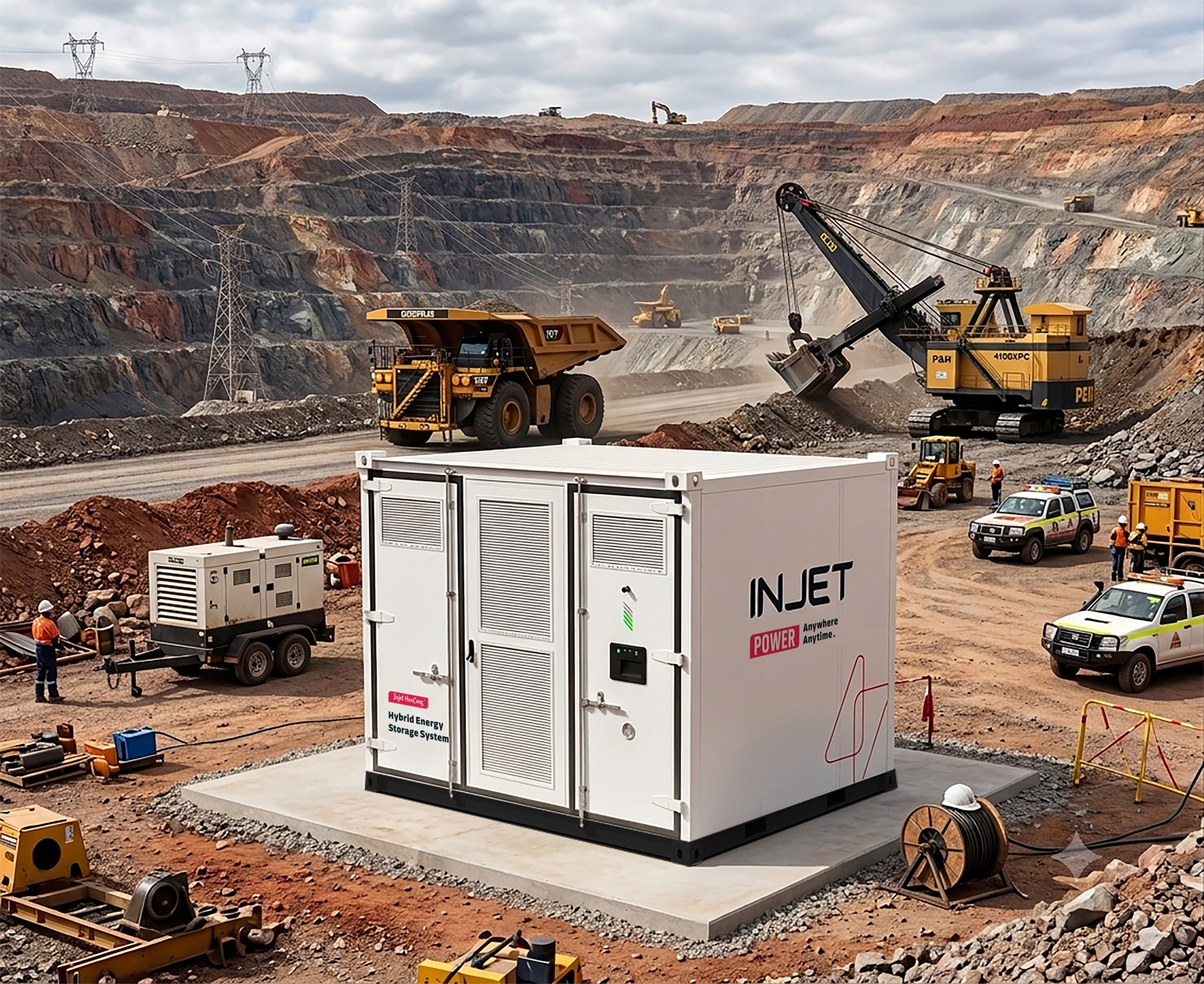
When EV Fleets Cannot Wait for Grid Connection
How hybrid energy systems can bridge the grid access gap for fleet charging When the Fleet Arrives Before the Grid An electric construction fleet is scheduled to begin work next week. The site is outside the city. An application for permanent grid connection has already been submitted, but approv...Read more -
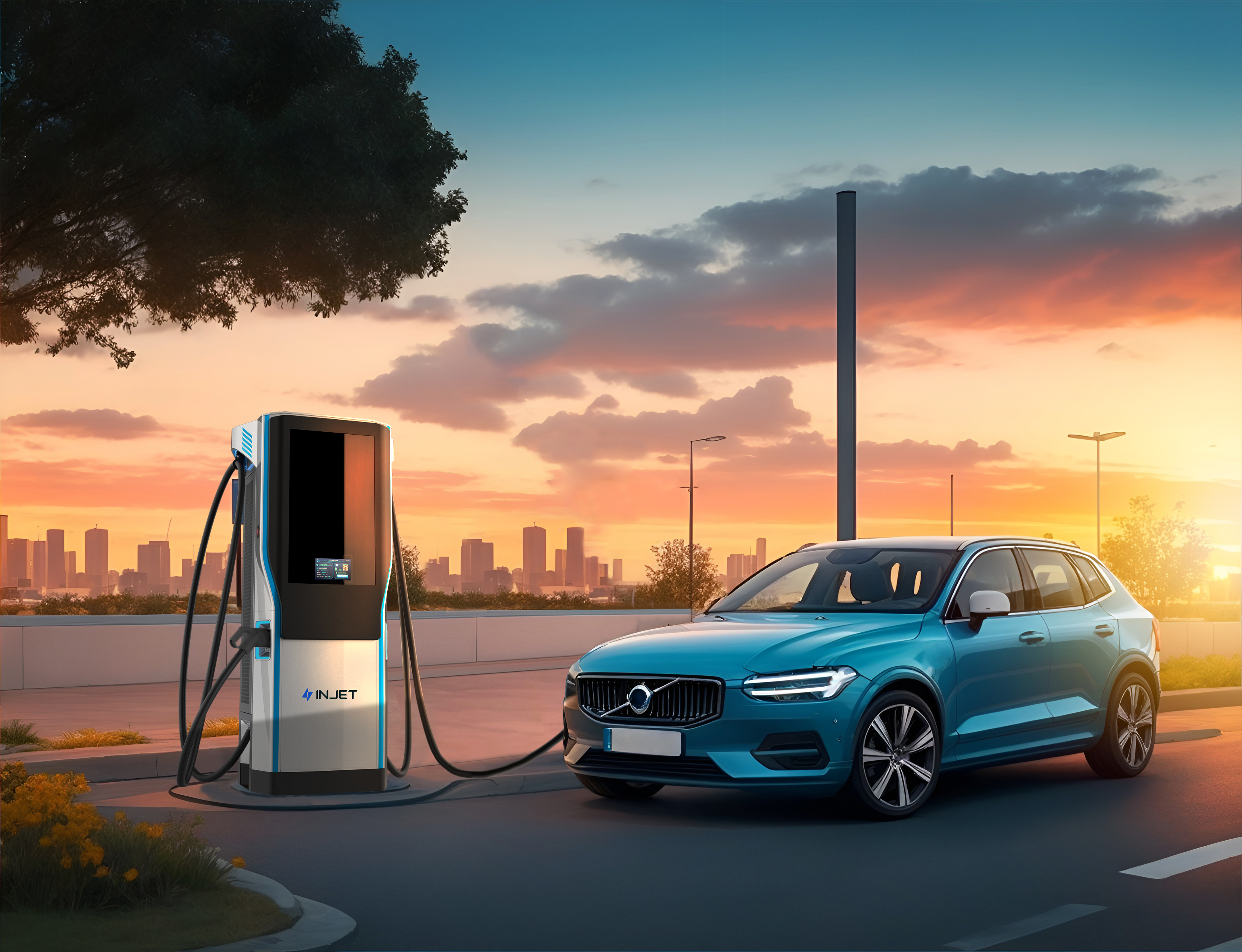
Why a 480 kW EV Charger Does Not Always Deliver 480 kW
Why a 480 kW EV Charger Does Not Always Deliver 480 kW Imagine a vehicle advertised with a peak charging power of 480 kW pulling into a station equipped with a 480 kW DC fast charger. The two numbers match perfectly. Should the charging screen immediately show 4...Read more -

Why the Most Interesting EV Charging Awards of 2026 Were Not About Charging Faster
Why the Most Interesting EV Charging Awards of 2026 Were Not About Charging Faster If you were asked to predict the most celebrated EV charging technologies of 2026, the obvious answers would probably involve a larger power cabinet, a thicker cable or another recor...Read more -
EV Charging Cybersecurity: Why Would Anyone Hack a Charger With No Cash Inside?
EV Charging Cybersecurity: Why Would Anyone Hack a Charger With No Cash Inside? An EV charger does not hold banknotes, expensive cargo or anything that looks like a conventional target for theft. So why would anyone try to hack it? Because a modern charger is no longer an isolated electrical dev...Read more -
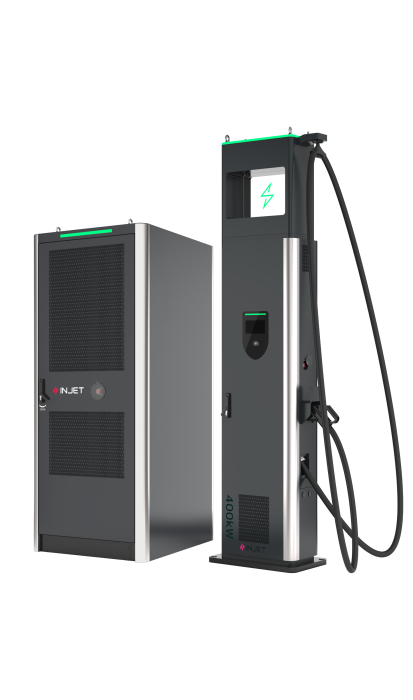
600 kW, Still Waiting? Rethinking EV Charging Power Allocation
It is 6 p.m., and six vehicles arrive at a fast-charging station. Suppose the site has 600 kW of charging power available. Six vehicles, 100 kW each. That seems reasonable. But once they plug in, the picture changes. One vehicle can currently accept only 60 kW. Another is nearly full, and its de...Read more -
The Chargers Are Here. When Will the Power Arrive?
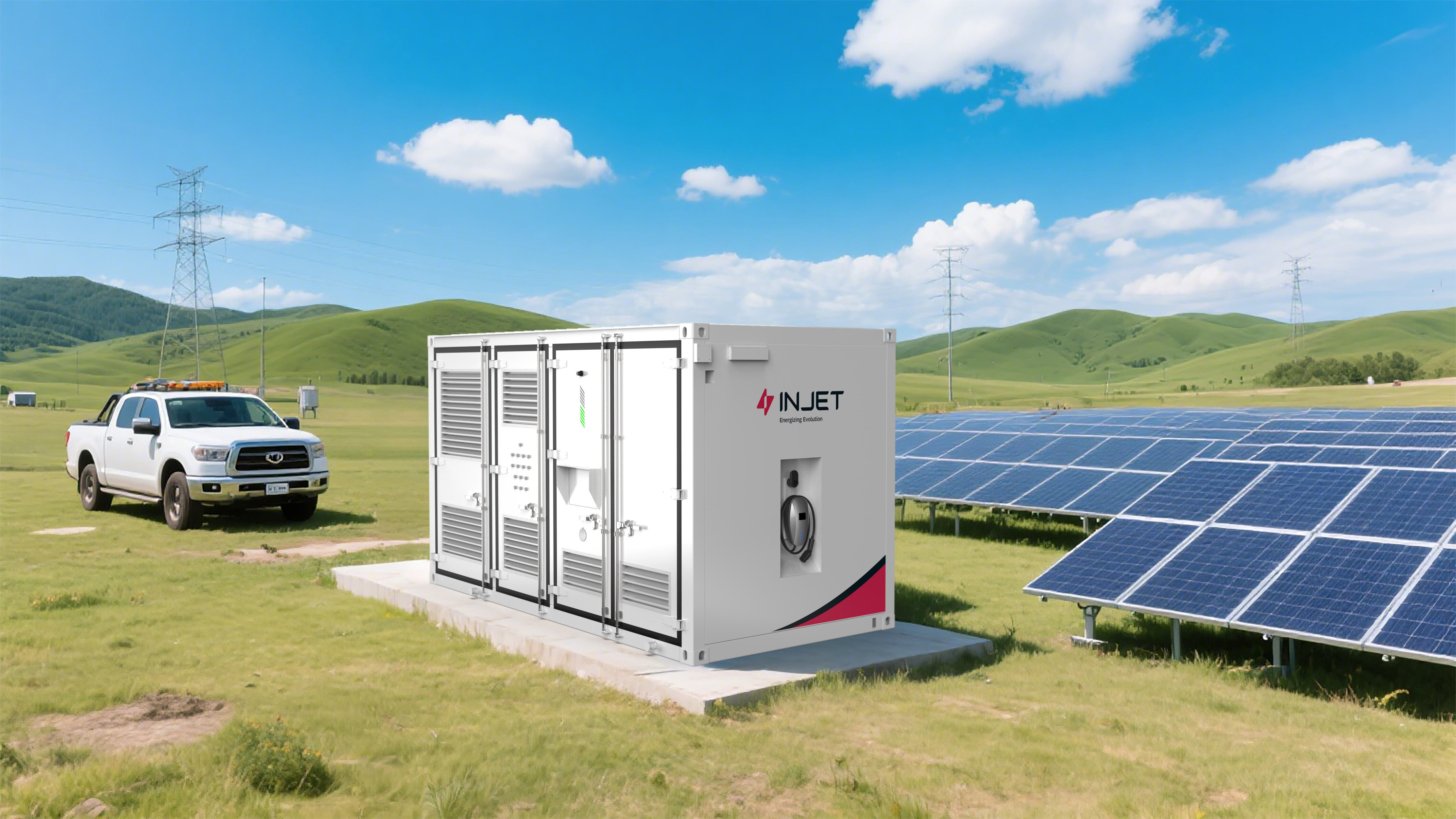
The parking bays have been marked. The cable trenches have been filled. Newly delivered chargers, still wrapped in protective film, stand neatly beside the spaces. The construction team has left, and platform integration is already on the schedule. Most items on the project tracker are green. On...Read more -
Before You Buy an EV Charger, Ask What Happens When It Fails
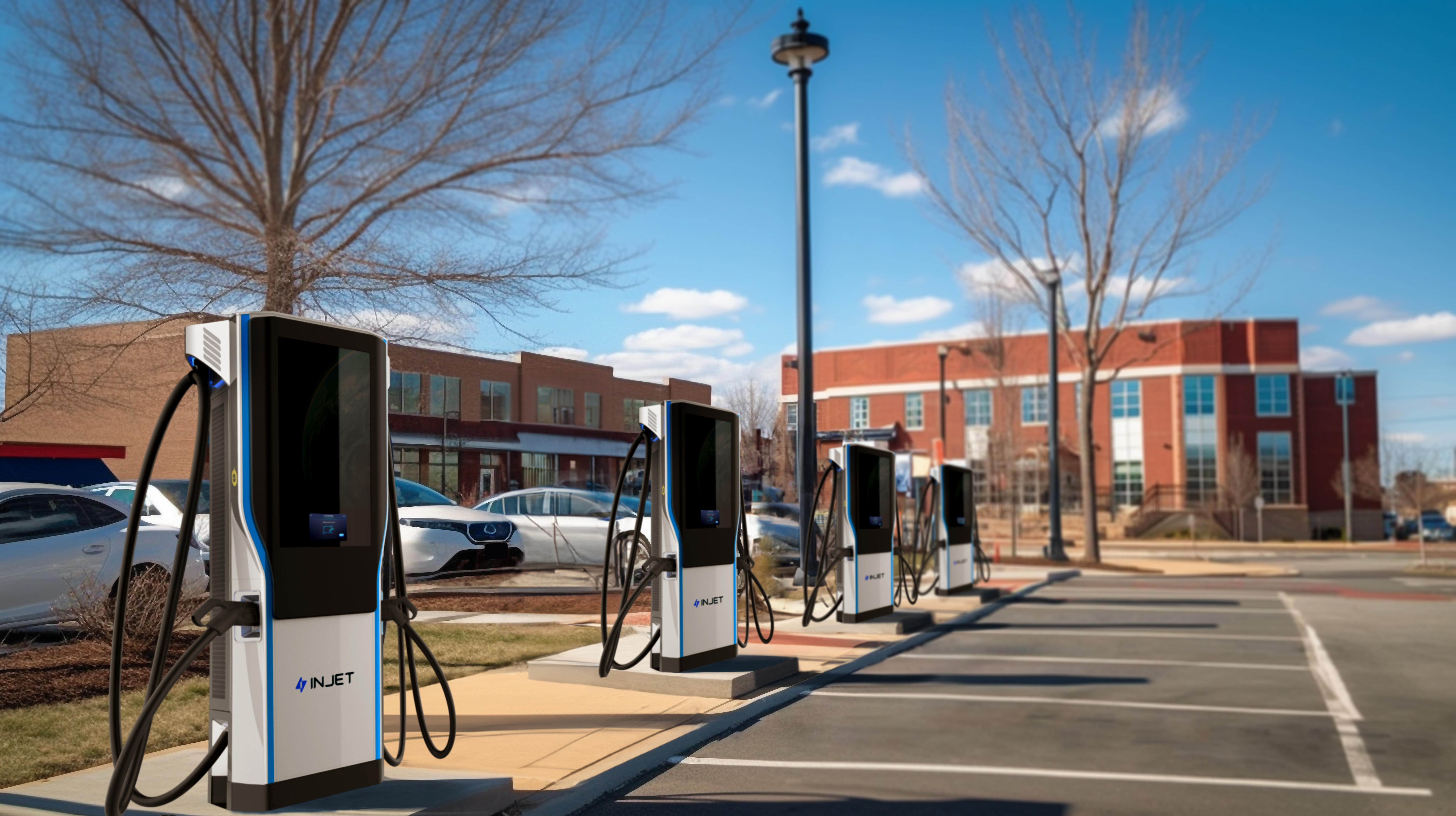
Adding 280 new DC fast charging stalls makes a straightforward growth story. But EVgo’s second-quarter 2026 results contained another number: 175. That was the number of legacy equipment removals reported under its ReNew program during the same quarter. New charging capacity was being added while...Read more -
CA$10.9 Million, but Not All for Chargers: What Gap Is Canada Trying to Close?
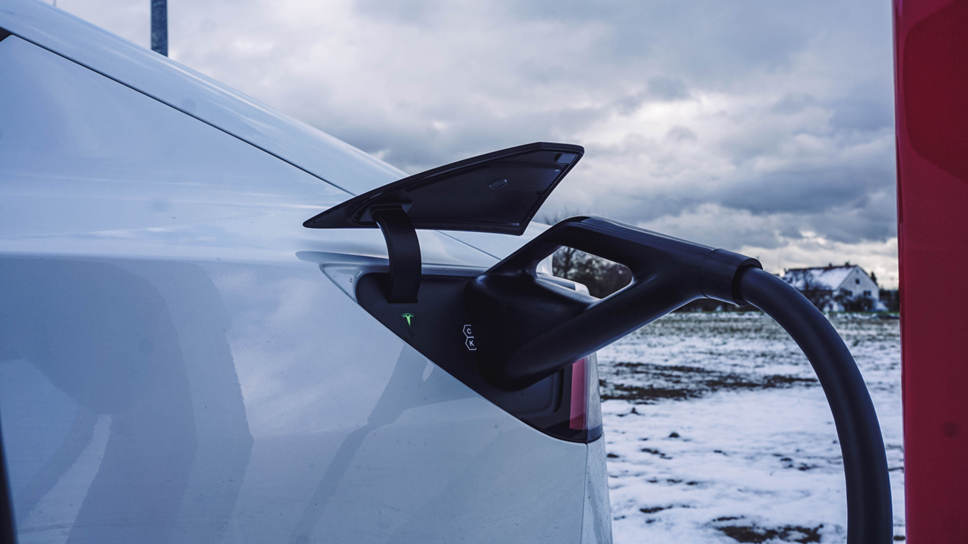
If you had C$10.9 million to improve EV charging across a country, where would you spend it? The most obvious answer would be: buy more chargers. Build more stations, add more charging points and fill the remaining gaps on the map. If enough chargers are installed, the problem should gradually d...Read more -
EVgo on the Sign, Tesla at the Charger: Whose Station Is It?
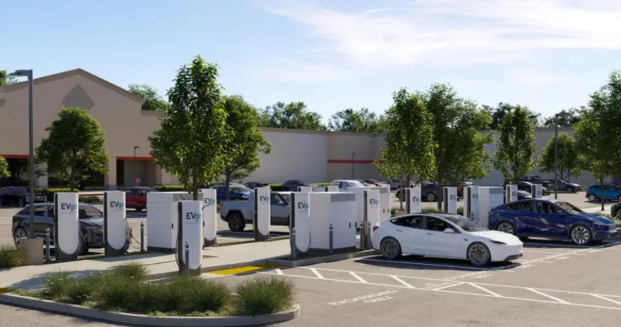
In some US cities, drivers may soon encounter a charging station with a slightly confusing identity. The EVgo name will appear on the site. The chargers will be Tesla V4 Superchargers. Tesla drivers may be guided there by their in-car navigation system. If the equipment requires maintenance, Tesl...Read more
